



NEWS Today 08/10/2026
Easter Egg Hunt Interlude: JetX Game Family Ritual in Canada
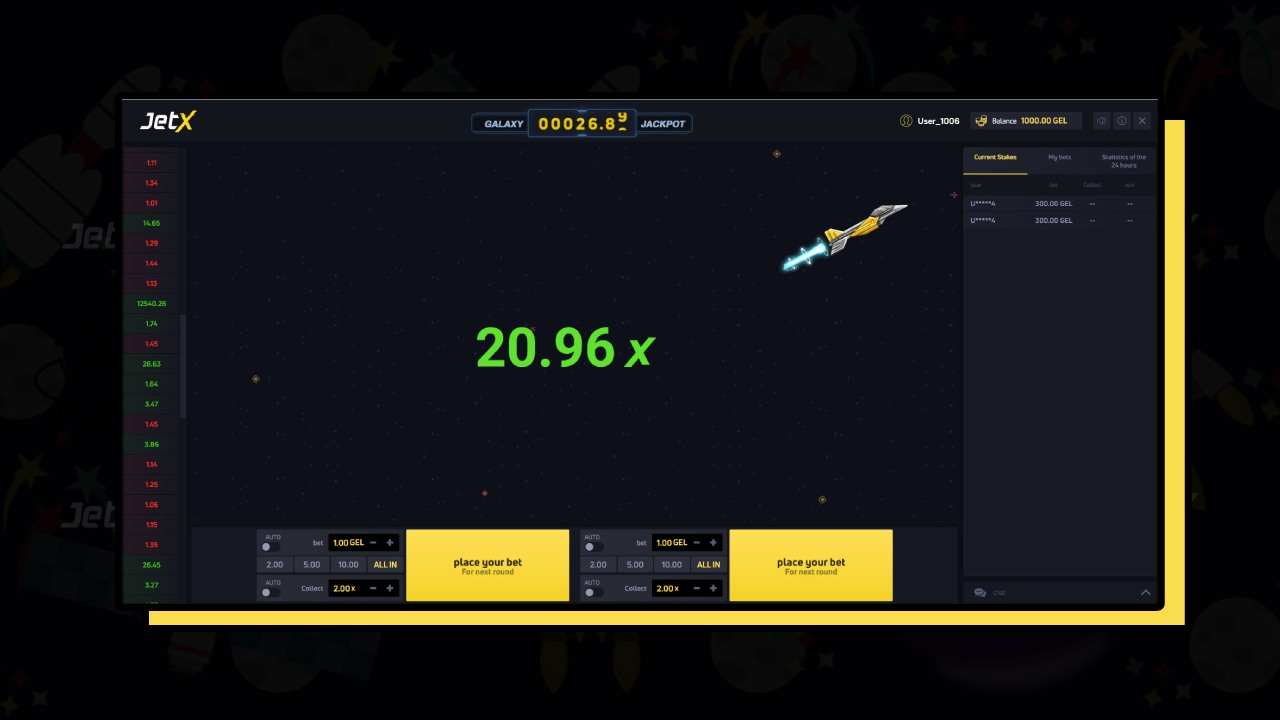
Canadian households are preparing for the long weekend, and a fresh development is taking place to the traditional Easter egg hunt aviatorcasino.app. A technological spin is taking root. The high-flying excitement of the JetX game is finding its way into sitting rooms and dining spaces during family gatherings. Nobody is tossing out the plastic eggs or abandoning the backyard search. But for the older individuals and older kids, this online game delivers a mutual rush that blends perfectly with the holiday's rhythm. It signals a larger transformation, where rapid, reachable online games form part of our communal bond. They present a novel approach to bond, one that works well for households stocked with screens. This Easter, after the remaining egg is discovered, you could hear the family collectively gasp as a digital aircraft climbs higher on a phone, creating a fresh sort of collective memory.
The Development of Easter Traditions in the Digital Age
Easter in Canada has always combined the sacred and the festive, rooted in family, faith, and the turn toward spring. For years, the script remained beautifully familiar: church services, a big meal, and the traditional egg hunt for the kids. These rituals gave the year a comforting pulse. But over the past decade, a digital undercurrent has seeped into the day. Smartphones are everywhere, and internet connections are constant. Our gatherings are no longer apart from the online world. Tablets show recipes, phones capture the chaos, and multiplayer games have become a new kind of parlor entertainment. This is where a game like JetX carves out a space. It isn't the headliner. It's more like an intermission—a gripping activity that bridges generations. It particularly appeals to older teens, young adults, and parents who desire a shared, adrenaline-filled moment that doesn't ask for a whole afternoon.
Why JetX Game Engages Canadian Family Gatherings
JetX works at a family Easter because of its mechanics and its social pull. The game is founded on anticipation and risk. Players bet on a multiplier as a jet climbs, and they must cash out before it randomly flies away. This structure is perfect for group involvement. JetX isn't a complex strategy game that locks players into solitude. Its simple idea enables everyone crowd around one screen, yelling advice, shouting to cash out, and sharing every groan or cheer. It converts a solo screen activity into a community event. For Canadian families, who often live hours apart and reunite mostly on holidays, this shared digital moment becomes a powerful bridge. No special skills are needed. Rounds are short. The reactions are immediate and genuine. These components make it a compelling modern addition to an afternoon usually occupied with talk or a movie.
The Shared Interaction of a Shared Screen
Watch a family play JetX together and you notice a unique dynamic. One person usually handles the device, but the choices become a group effort. An uncle might recommend caution, a sibling might push for one more second, and the collective tension mounts with the rising number. This interactive spectatorship is the essence. It feels like watching a sports game together, but with a direct, if virtual, stake in the result. The game's visuals are simple—a clear graph and a climbing jet—so anyone can comprehend what's happening instantly. In a living room smelling of ham and yeast rolls, this digital distraction becomes a hub for laughter, friendly arguing, and shared suspense. It breaks the ice and draws in relatives who might not find common ground elsewhere.
Connecting Generational Gaps with Simple Thrills
One of the trickier parts of modern family functions is finding something a twenty-year-old and a fifty-year-old both enjoy. JetX, against expectations, builds that bridge. Its central thrill—the gamble on when to quit—is a universal feeling. It's like the tension in a board game or the draw of a raffle ticket. For younger people, it's a familiar format from the online gaming world. For older adults, it's a straightforward game of chance with instant results. This cross-generational magnetism stops the common holiday scene where age groups splinter off into different rooms. It creates common ground, a shared language of "one more try" that can keep a family engaged together for a good while.
Integrating Gameplay with Traditional Easter Activities
Adding anything new to a tradition needs a light touch and good balance. Families aren't replacing the egg hunt for a JetX championship. They are weaving the game into the day's schedule. A typical schedule might go like this: morning church, then the kids' egg hunt outside while the adults cook. After the big lunch, as the house relaxes into a lazy afternoon, someone proposes a few rounds of JetX. This transforms the game a post-meal entertainment, a modern version of pulling out a deck of cards. The crucial part is its voluntary nature. It gives an alternative to a nap or a heavy conversation, providing a neutral and exciting shared focus. It respects the day's traditional anchors while adding a contemporary layer of fun.
- Design Themed "Easter Rounds": As a family, agree to set aside a few rounds where a small portion of any play-money winnings goes into a pot for a treat. This could be a special dessert or a family movie rental. It links the game's outcome back to a shared, tangible reward.
- Implement a "Pass the Device" Rule: To keep everyone included, physically hand the phone or tablet to a different person after each round. This gives everyone a turn at the controls and keeps the whole group engaged.
- Define Clear Time Boundaries: Decide as a group to play for a set duration, like thirty minutes, or a fixed number of rounds. This prevents the game from taking over the gathering and makes sure people move on to other conversations and activities.
- Pair with Traditional Games: Make a fun rule where the loser of a classic board game like Trivial Pursuit has to be the pilot for the next JetX round. It builds a playful link between old and new forms of family play.
Managing Responsible Play in a Household Setting
Bringing any game with betting mechanics into a family space requires a preventive and conscious approach. The very thing that makes JetX engaging—the thrill of risk and reward—is what makes clear boundaries vital. At a Canadian family gathering, this conversation is key. The activity must be positioned explicitly as entertainment, never as a way to earn money. The most responsible path is to hold strictly to the game's demo or free-play modes, where no real money is at stake. This preserves all the social excitement and tension while eliminating any financial risk. Parents and older relatives need to model this behavior. They should say outright that the fun comes from the collective experience and the game's mechanics, not from potential gain. This establishes a healthy example, especially for younger eyes, and keeps the activity a lighthearted part of the holiday.
Establishing a Positive Example for Younger Observers
Children and teenagers notice everything. Their views on gaming and risk are often shaped by what the adults around them do. If the grown-ups are having a enthusiastic, clearly recreational group session of JetX using virtual credits, it becomes a educational moment. It demonstrates that digital games can be a source of family fun when approached with the right mindset. It also lets adults openly discuss about the difference between play and real-money gambling. They can touch on ideas like budgeting, chance, and entertainment value. By making the activity transparent, communal, and free of financial risk, families enjoy the digital thrill while quietly conveying lessons about moderation. The game becomes a collective social event, not a solitary pursuit.
The Cultural Significance of Modernizing Traditions
Adding a game like JetX to an Easter celebration is a modest example of how Canadian culture transforms. Our traditions are not museum pieces. They are active practices that incorporate elements from our changing technological and social world. The heart of Easter—rebirth, family, community—stays the same. What evolves are the ways we express that togetherness. A generation ago, it might have been a game of horseshoes or charades. Today, it might be a group huddled around a smartphone. This change signals a healthy, dynamic culture. It shows our rituals are strong enough to accommodate new forms of interaction without sacrificing their core meaning. The laughter, the shared tension, the collective memory-making—those are the unchanging elements. The tool used to facilitate them, whether a dyed egg or a digital jet, just helps that timeless human connection happen.
Looking Forward: What Lies Ahead of Holiday Socializing
Future Easters and other family celebrations will likely see an increase in this combination, not less. The popularity of games like JetX in these scenarios indicates an appetite for fast, immersive digital experiences made for shared physical settings. We can expect makers to design more games with clear "party mode" features for local multiplayer on a single screen. For households, the takeaway is to be thoughtful planners of their holiday time. This requires consciously picking which online features to incorporate and defining the parameters so they enhance human connection, not subtract from it. The aim is a blended festivity that honors cherished rituals while welcoming new forms of play. This maintains family traditions significant, engaging, and inclusive for every generation around the group.
Nejčastější otázky
Je hra JetX vhodná, když jsou přítomny děti?
Vizuální stránka hry není grafická, ale její hlavní mechanika se točí kolem sázení. Nejlépe se hodí pro dospělé a starší teenagery. Jsou-li v místnosti menší děti, využívejte jen bezplatnou demo verzi. Rámcujte ji jako prostou "raketovou hru" o správném okamžiku. Tento moment můžete použít k diskusi o tvorbě her a rozdílu mezi štěstím a schopnostmi způsobem odpovídajícím věku. Přístupujte k tomu jako ke komiksovému rozptýlení, ne jako k činnosti s reálnými penězi.
Jak zajistit, aby hraní JetX nepřeválcovalo celé velikonoční setkání?
Nastavte si zřetelné limity před začátkem. Dohodněte se ve skupině na časovém limitu, například na půl hodině, nebo na limitu kol, třeba na deseti kolech. Použijte stopky. Určete jednu osobu, která bude limity jemně prosazovat. Když z toho uděláte plánovanou, omezenou činnost – podobně jako samotné hledání vajíček – zachováte to jako zábavný vložku. To chrání čas na jídlo, konverzaci a další tradice.
Existují nějaké právní obavy ohledně hraní JetX ve skupině v Kanadě?

Hraní JetX na platformě s licencí je pro dospělé v Kanadě povolené. V rodinném prostředí je klíčová zodpovědná hra. Zkontrolujte, zda jsou všichni účastníci v zákonném věku, pokud jsou využívány prvky s reálnými penězi. Naše silné doporučení je používat pro rodinné skupinové hraní bezplatnou demo verzi. Tím se eliminuje finanční riziko a právní problémy, takže zážitek je pouze o sociálním pobavení.
Why is JetX more suitable for playing with a group than different mobile games?
JetX works for groups due to its easy thrilling gameplay and very short rounds. The "cash-out" feature produces natural points for group choices and feedback. In contrast to complicated multiplayer games, anyone can understand the action instantly. The per-round format allows people to jump in easily or just watch. This makes it ideal for a energetic, relaxed group where focus levels differ.
Is it possible to play JetX together as a family without spending any money?
Absolutely. Reputable platforms that feature JetX always have a "demo" or "free play" mode that uses virtual credits. This is the ideal way to experience the game as a family. All the thrill and team dynamics remain unchanged, but there's no financial stake. This strategy maintains a light atmosphere, without pressure, and concentrated on the fun of the collective experience.
How do we handle conflicts over cash-out timing during a family round?
Turn the disagreement into fun. Set a simple rule. Maybe the device holder gets the final say, or you take a quick vote. You can also rotate the "pilot" role each round. The debate and fun arguments are central to the social engagement. The aim isn't to maximize earnings but to share the laughter and thrill of choosing as a group.
Does including a game like this detract from the genuine meaning of Easter?
It does not matter, if you integrate it thoughtfully. The core meanings of reflection, family, and renewal are preserved through the main traditions: the meal, the ceremonies, the time together. A group game is merely a contemporary form of social bonding, like playing cards after dinner. It only becomes a problem if it pushes out meaningful interaction. When used as a supplemental, communal activity, it can actually strengthen the sense of togetherness.
The texture of Canadian family tradition is showing itself to be both strong and adaptable. The arrival of games like JetX as a casual Easter pastime isn't an interruption. It's an evolution. It shows how new technologies can foster shared moments of excitement and connection. When families bring this integration in with intention, clear limits, and a focus on collective fun over competition, they can successfully combine cherished old rituals with engaging new entertainment. The result is a richer, more inclusive holiday experience. It honors the spirit of togetherness in a distinctly modern way, making sure our traditions still mean something for the generations ahead.


Are you ready to elevate your strategy?
LET’S CONNECT